A Global History of Food Tours: From Culinary Curiosity to Modern Foodie Culture
Food has always been more than just sustenance; it’s a key to understanding cultures, connecting people, and discovering new places. Over time, this relationship between food and exploration evolved into what we now call food tours—guided experiences that take travellers through the streets, markets, and kitchens of different regions, allowing them to taste their way through local culture. While food tours feel like a modern phenomenon, their roots trace back to ancient times, reflecting the ever-evolving connection between food, travel, and cultural discovery.
Early Roots: Trade Routes and Culinary Exchange
Food tours may seem like a relatively recent development, but the concept of exploring new cultures through food dates back to ancient times. Early trade routes, such as the Silk Road and the Spice Routes, were not just about commerce; they were also conduits for culinary exchange. Merchants, explorers, and travellers transported spices, grains, and new flavours between distant regions, introducing cultures to new ingredients and methods of cooking.
In this way, travellers on these ancient routes were exposed to unfamiliar foods and flavours, creating the earliest form of culinary tourism. As they traded goods and spices, they sampled local delicacies along the way, laying the groundwork for future food-focused journeys.
The Grand Tour: Culinary Exploration in Europe
Fast forward to the 17th and 18th centuries, when European aristocrats embarked on the “Grand Tour” of Europe. This educational journey, typically taken by young men of wealth, included visits to cultural landmarks, art galleries, and historic sites. While the primary focus of these tours was often on classical education and the arts, food quickly became an important part of the experience.
Travellers to Italy, France, and other European countries often documented their dining experiences in great detail, discovering new ingredients, dishes, and dining customs. These elite tourists would return home with stories of culinary experiences—whether it was sampling wines in Bordeaux, enjoying pasta in Naples, or marvelling at the cheeses of the Alps. In many ways, this was an early precursor to today’s food tours, as travellers sought to immerse themselves in local food culture as part of their broader exploration.
The Rise of Gastronomy: France and the Culinary Arts
In the 19th century, the rise of gastronomy in France marked a significant turning point in the global food landscape. French cuisine became synonymous with fine dining, thanks to chefs like Auguste Escoffier and the emergence of gourmet restaurants. The idea that food could be an art form led to an increased interest in culinary exploration. By the late 1800s, gastronomic societies and culinary guides, like the Michelin Guide (launched in 1900), began to promote travel for the purpose of dining at exceptional restaurants.
While these early food-focused journeys were largely confined to the upper classes, they laid the groundwork for the idea that food could be a reason to travel. Over time, people began to explore food not just for luxury, but to understand regional traditions and cultures.
Post-War Boom: The Age of Culinary Discovery
The post-World War II era saw an explosion of international travel, as air travel became more accessible and people had more disposable income. With this boom in travel came a new interest in food as a key element of the tourism experience. As people ventured to new countries, they sought out local delicacies and authentic dining experiences.
In the 1970s and 1980s, food journalism began to flourish, with writers like Julia Child and Anthony Bourdain introducing audiences to the world’s culinary wonders. Bourdain, in particular, with his show “No Reservations,” would later become synonymous with food-focused travel, showcasing how food connects people and tells the story of a place.
The emergence of food-focused television shows, cookbooks, and travel guides fuelled the desire for immersive food experiences. By the late 20th century, culinary tourism was gaining momentum, with organised food tours appearing in cities like Paris, Rome, and New York.
The Birth of Modern Food Tours: A Global Phenomenon
The 1990s and early 2000s saw the formalisation of food tours as a distinct travel activity. Entrepreneurs began creating dedicated food tour companies, offering guided walks through cities to explore local markets, eateries, and street food stalls. Tours focused on providing travellers with authentic, off-the-beaten-path food experiences, where they could meet local chefs, producers, and food artisans.
Cities known for their culinary prowess, like Bangkok, Tokyo, and Mexico City, saw a surge in food tourism, as visitors sought to experience the world’s best street food, explore local markets, and take part in cooking classes. The concept of “eating like a local” became a hallmark of modern food tours, with an emphasis on immersing oneself in the everyday food culture of a city or region.
The Digital Revolution and Food Tours
The digital age further transformed food tourism. With the rise of the internet and social media, sharing food experiences became a global phenomenon. Platforms like TripAdvisor, Yelp, and Instagram made it easier for food tour operators to reach a wider audience, while travellers could share their culinary adventures with the world. Food bloggers and influencers began to document their food tours, showcasing hidden gems and creating a desire for unique, Instagram-worthy food experiences.
The rise of online review platforms also meant that travellers could access curated lists of the best food tours in any given city, leading to the explosion of food tour companies worldwide. Today, nearly every major city offers food tours, ranging from street food safaris to fine dining excursions.
Food Tours Today: A Multisensory Experience
In the 21st century, food tours have evolved into a multisensory experience, combining food tasting with history, culture, and even hands-on activities like cooking classes. Tours are no longer just about eating; they are about storytelling—sharing the history of dishes, the origin of ingredients, and the people behind the food.
Food tours have expanded to encompass more diverse cuisines and regions. Whether exploring the backstreets of Bangkok for the best pad Thai, sampling tapas in Barcelona, or enjoying traditional haggis in Edinburgh, food tours provide travellers with a window into the soul of a place. Many tours now focus on sustainability and local sourcing, introducing travellers to organic farms, artisanal producers, and eco-friendly dining practices.
The Future of Food Tours: Sustainability and Innovation
As food culture continues to evolve, so too do food tours. Today, there is a growing emphasis on sustainable and ethical food tourism. Travellers are increasingly interested in understanding where their food comes from, how it’s produced, and how to travel more sustainably. Many modern food tours focus on connecting travellers with local farmers, supporting small-scale food producers, and promoting traditional foodways that preserve regional culinary heritage.
Innovative tours are also emerging, including foraging tours, where participants gather wild ingredients with a guide before learning to cook with them, and farm-to-table tours that take guests to the source of their meals. Additionally, virtual food tours have gained popularity, allowing people to explore the food culture of a city or country from the comfort of their homes, guided by local experts.
Conclusion: A Feast for the Senses and the Soul
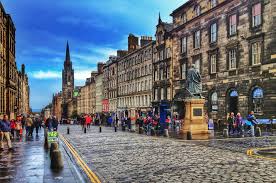
From ancient trade routes to modern Instagram feeds, the global history of food tours is a reflection of our enduring curiosity about food and culture. Whether you’re walking through the vibrant markets of London, sipping wine in the vineyards of Tuscany, or discovering hidden food gems on the royal mile, food tours continue to connect travellers with the heart and soul of a place. What began as a way to discover new ingredients has blossomed into a global movement—one that invites us all to experience the world, one bite at a time.