A History of Leith and Its Food: From Fishing Port to Culinary Hub
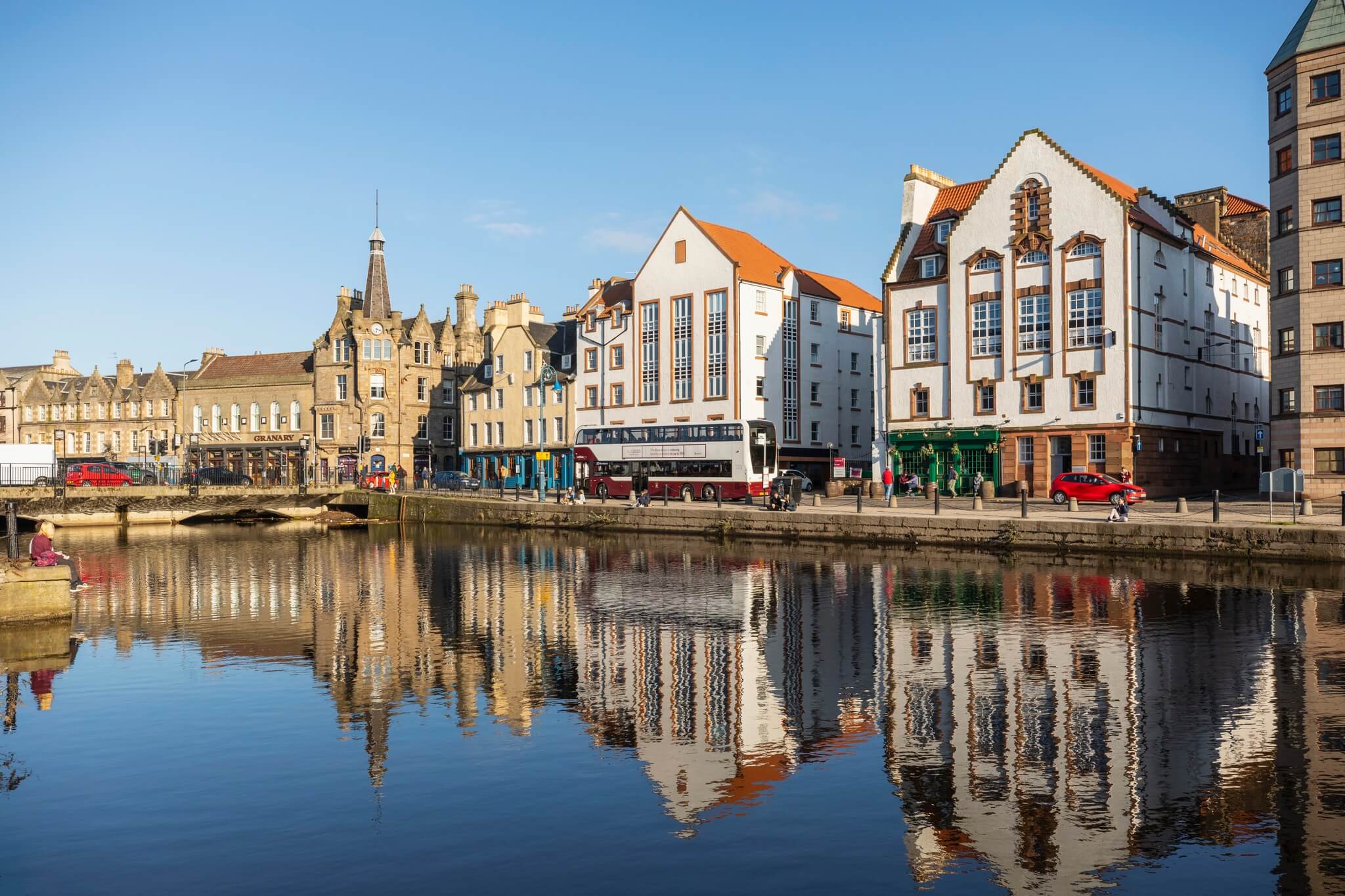
Leith, the vibrant port district located just north of Edinburgh, has a rich history that stretches back over a thousand years. Once a thriving hub of Scotland’s international trade, Leith has evolved into one of Edinburgh’s most dynamic neighbourhoods, known not only for its maritime heritage but also for its flourishing food scene.
This blog explores the history of Leith, its role as a gateway for international influences, and how its food culture has been shaped by centuries of trade, migration, and modern reinvention.
Leith’s Origins: A Vital Port for Scotland
Leith’s story begins in the early Middle Ages, when it developed as the primary port for Edinburgh. By the 12th century, Leith had become a key maritime hub, facilitating trade between Scotland and Europe. Positioned at the mouth of the Water of Leith where it meets the Firth of Forth, the port was ideally located to connect Scotland to the wider world.
For centuries, Leith was the landing point for imports such as wine, spices, and grains from France, Spain, and the Low Countries. These early trade routes helped shape not just Leith’s economy, but also its food culture. Exotic ingredients and products that arrived by ship from Europe were traded alongside local produce, giving Leith its first taste of culinary diversity.
The Rise of Fishing and Local Seafood
As Leith grew, fishing became one of the area’s most important industries. Its location on the Firth of Forth made it a prime spot for harvesting seafood, and by the 16th century, Leith was renowned for its herring industry. Salted herring became a major export, with Leith ships transporting their catch to northern Europe.
Today, seafood remains central to Leith’s food identity. The port’s proximity to Scotland’s rich fishing waters means that fresh, locally sourced seafood is a staple of the area’s cuisine. Delicacies like oysters, mussels, and langoustines have long been part of the region’s food tradition, and Leith is still celebrated for its high-quality fish and seafood offerings. Whether it’s classic Scottish fish and chips or more refined seafood dishes, Leith’s connection to the sea continues to shape its culinary landscape.
The Influence of International Trade
Throughout its history, Leith was a gateway for goods from across Europe and beyond, introducing new ingredients and flavours to Scotland. The most significant of these was wine, particularly from France and Spain. In fact, Leith became synonymous with wine trade, with merchants importing large quantities of French Bordeaux and Spanish sherry. The Leith docks were bustling with barrels of wine and spirits destined for Scotland’s elite, giving rise to the area’s long association with fine drinks.
Over time, other international influences arrived in Leith via trade routes. The port saw goods from as far afield as the Caribbean, the Americas, and Asia. Spices like pepper, cinnamon, and nutmeg, along with exotic fruits like oranges and figs, slowly found their way into the kitchens of Edinburgh and Leith, expanding the local palate and inspiring new dishes.
This global exchange played a pivotal role in shaping the flavours of the region, helping to make Leith one of the most diverse food centres in Scotland.
Leith’s Industrial Era: Whisky and Brewing
In the 18th and 19th centuries, Leith’s port saw a boom in its industrial capacity. Shipbuilding, whisky production, and brewing became central to the area’s economy. Leith was home to numerous whisky distilleries and bonded warehouses, where barrels of Scotland’s finest malt whiskies were aged and exported around the world. Scotch whisky, in particular, was stored and matured in Leith’s warehouses, linking the area to Scotland’s iconic whisky heritage.
Beer brewing was also significant in Leith’s industrial history. The fertile farmland surrounding the area provided ample grain, making Leith an ideal location for brewers. Many of the breweries established in the 18th and 19th centuries became household names, with Leith beer exported throughout Britain.
The legacy of this era remains in the many whisky bars and craft breweries that now thrive in Leith, offering locals and visitors alike the chance to savour Scotland’s beloved drinks.
The Decline and Renaissance of Leith
The 20th century saw a decline in Leith’s maritime and industrial activity as larger commercial ports elsewhere took over. The once-bustling docks became quieter, and the area experienced economic challenges. However, this period of decline was followed by a dramatic renaissance beginning in the late 20th century.
The regeneration of Leith in the 1980s and 1990s transformed the area from an industrial relic into a cultural hotspot. Old warehouses were converted into restaurants, cafes, and galleries, and the waterfront was revitalised. This period marked a turning point for Leith’s food scene, as it attracted a new generation of chefs and entrepreneurs who sought to celebrate both the area’s rich heritage and contemporary tastes.
Leith Today: A Culinary Destination
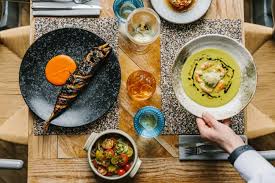
Today, Leith is one of Edinburgh’s most exciting culinary destinations, blending its historical roots with modern innovation. The area is home to a diverse range of eateries, from Michelin-starred restaurants to casual food markets, offering everything from traditional Scottish fare to international cuisine.
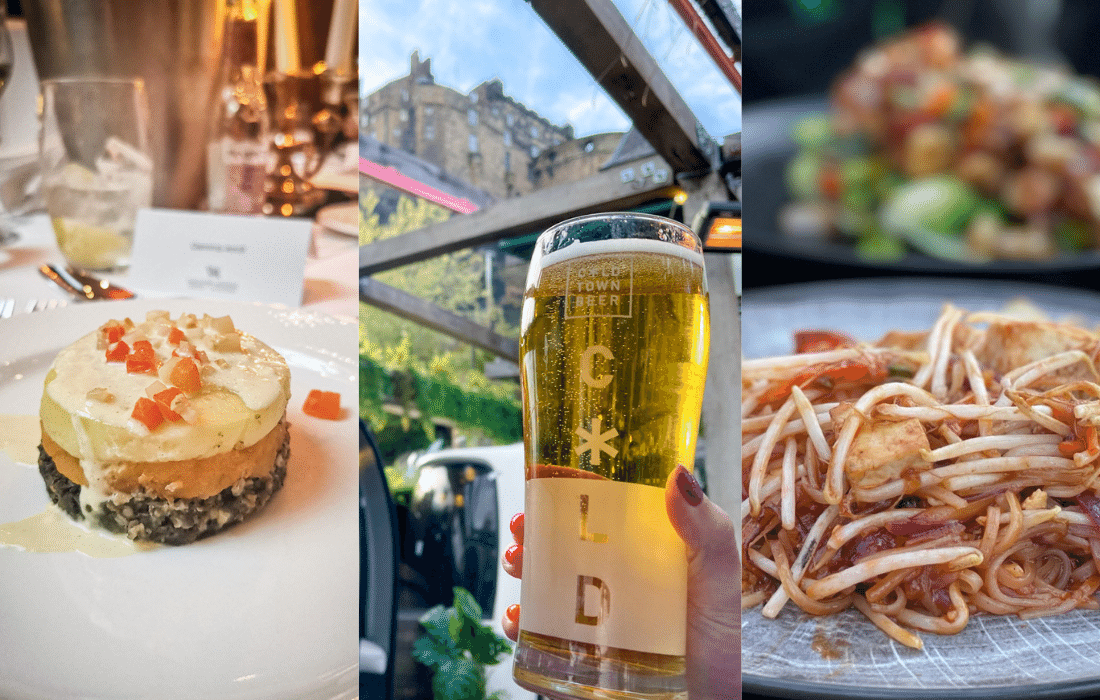
Scottish seafood remains a highlight of Leith’s food scene, with many restaurants offering fresh, locally caught fish, oysters, and scallops. Meanwhile, the area’s international connections continue to influence its dining options, with a variety of global cuisines represented, from Italian and Indian to Japanese and Mexican.
Leith’s transformation from an industrial port to a culinary hub reflects the area’s resilience and ability to reinvent itself. Its food culture is a testament to its rich history, global influences, and the continued importance of local ingredients.
Leith’s Iconic Dishes
When visiting Leith, there are a few key dishes that reflect its food heritage and modern-day culinary excellence:
- Scottish Fish and Chips
No visit to Leith would be complete without sampling traditional fish and chips made with fresh, locally sourced haddock or cod. The port’s proximity to the sea means that the fish is often caught and served on the same day. - Cullen Skink
A classic Scottish dish made from smoked haddock, potatoes, and onions, Cullen Skink is a hearty soup that captures the flavours of the Scottish coast. It’s a perfect reflection of Leith’s connection to the sea and traditional Scottish fare. - Local Oysters
Oysters harvested from Scotland’s pristine coastal waters are a delicacy in Leith. Served raw or lightly cooked, they offer a fresh, briny taste that connects diners to the sea. - International Flavours
Thanks to its global connections, Leith offers an array of international dishes. From Italian pasta to Indian curries, the area’s food scene is a reflection of its long history as a crossroads of trade and culture.
Conclusion: Leith’s Food Story Continues
Leith’s history is woven into every aspect of its food culture. From its origins as a medieval port to its role as an industrial hub and its modern-day renaissance as a food destination, Leith has always been a place where local ingredients and global influences come together. Whether you’re sampling fresh seafood by the waterfront or enjoying a whisky in one of Leith’s historic pubs, the area’s culinary offerings tell the story of its rich and diverse past.
For those looking to explore Leith’s food scene, our Leith food tour takes you through the heart of this historic port district, where you’ll sample the best local flavours and learn about the fascinating history behind each dish. Book your tour now and discover the taste of Leith for yourself!